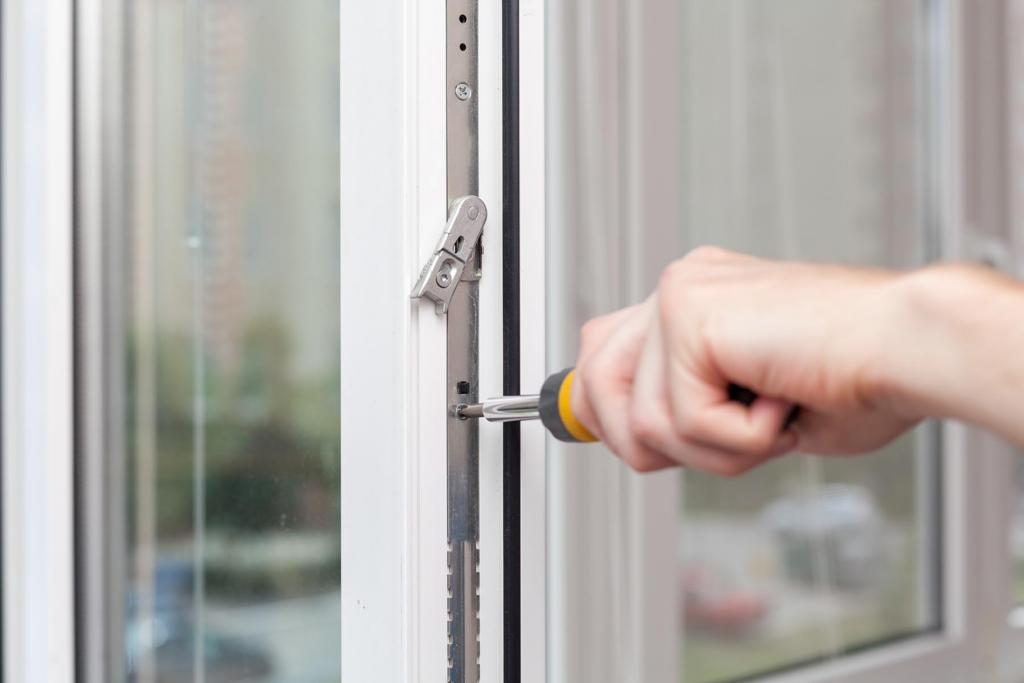
Residential Window Repair: A Comprehensive Guide
Windows are frequently called the eyes of a house; they supply light, ventilation, and visual appeal. However, with time, wear and tear or unforeseen accidents can make windows less appealing and functional. This post explores the world of residential window repair, detailing common concerns, methods for repairs, and when to consider replacement.
Typical Types of Window Damage
Understanding the types of damage that can occur is essential for property owners. Here are some typical issues associated with residential windows:
| Type of Damage | Description |
|---|---|
| Broken or Broken Glass | Typically caused by weather condition, mishaps, or bad installation. |
| Fogged or Clouded Window | Wetness in between double-glazed panes leading to a foggy look. |
| Decomposing Frame | Wood frames vulnerable to wetness damage or insect problem. |
| Drafts | Spaces in the seal around windows causing air leaks. |
| Misaligned Windows | Windows that do not open or close effectively due to structural issues. |
| Deteriorating Caulk | Weather can trigger caulking to split, enabling air and moisture in. |
When to Consider Repair vs. Replacement
Deciding whether to repair or change a window can depend upon numerous factors:
- Age of the Window: Older windows might be more challenging to repair due to outdated materials.
- Extent of Damage: If the frame is rotten, replacement may be more feasible than repairs.
- Energy Efficiency: Older windows typically do not have modern insulation, favoring replacement for energy cost savings.
- Expense Consideration: Sometimes repair expenses can approach the expense of replacement.
- Aesthetic Appeal: For homes intending for visual upgrades, a new window might be more suitable.
To help homeowners make an informed decision, the following table lays out the benefits and downsides of each alternative.
| Choice | Advantages | Disadvantages |
|---|---|---|
| Repair | Affordable for small issues; maintains original beauty | Might only provide a short-term repair |
| Replacement | Long-lasting option; improves energy effectiveness | Greater upfront costs; lengthy |
Steps for Common Window Repairs
Broken or Broken Glass
Fixing cracked or broken glass frequently includes the following steps:
- Safety First: Always use protective equipment like gloves and goggles.
- Remove Damaged Glass: Carefully get rid of any shattered glass pieces.
- Clean the Frame: Ensure no debris remains in the sash.
- Procedure and Cut New Glass: Use a glass cutter for accurate sizing.
- Fit Glass into Frame: Apply glazing putty, then press the brand-new glass into position.
- Seal and Finish: Replace the points and ravel the edges with additional putty.
Fogged Window Repair
Fogged windows normally need:
- Assessing the Seals: Check the seals on both sides of the system.
- Defogging or Replacement: Use a desiccant material or, if seals are broken, replace the entire window unit.
- Re-Sealing: Apply brand-new sealant to prevent future wetness entry.
Fixing Drafty Windows
Breezy windows can typically be repaired through:
- Identify Gaps: Use a lit candle light to find air leaks.
- Apply Weatherstripping: Install adhesive or non-adhesive weather condition stripping to affected locations.
- Re-Caulking: Remove old caulk and reapply to guarantee a tight seal.
Repairing Misaligned Windows
Repairing misaligned windows might involve:
- Identify the Cause: Look for loose screws or distorted frames.
- Tighten up Hardware: Secure any loose screws or hinges.
- Change the Frame: Sometimes, realigning the frame can be accomplished by changing the stop and refitting the window.
Frequently Asked Questions about Residential Window Repair
1. For how long does a common window repair take?
Response: Most easy repair work can be finished within a couple of hours. However, substantial repairs might take longer, depending upon the degree and nature of the work needed.
2. Can I repair my windows myself?
Response: Many house owners can successfully finish easy repair work, like caulking or small glass replacements. Affordable Window Doctor complicated issues may need professional support.
3. How do I understand if I need to change my windows?
Response: If your windows are substantially harmed, drafty, or not energy-efficient, replacement might be the wiser option.
4. What is the very best product for window frames for durability?
Answer: Vinyl and fiberglass are known for their sturdiness and low maintenance, while wood provides traditional charm but might need more upkeep.
5. Are there energy-efficient options readily available?
Answer: Yes, lots of manufacturers offer energy-efficient windows with low-E glass, double-glazing, and proper insulation assists to decrease energy consumption.
Residential window repair is an essential element of home maintenance, offering both functional and visual benefits. Homeowners ought to be watchful about indications of damage and comprehend when to attempt repair work versus when to pursue replacement. By knowing the common types of damage, the approaches of repair, and when to employ specialists, house owners can maintain the charm and performance of their windows for several years to come. Maintenance, early detection, and prompt action will not only save money in the long run however will likewise enhance the comfort and energy performance of the home.